
Dhoti Pants for Women | Draped Bottoms & Sets - Trendia


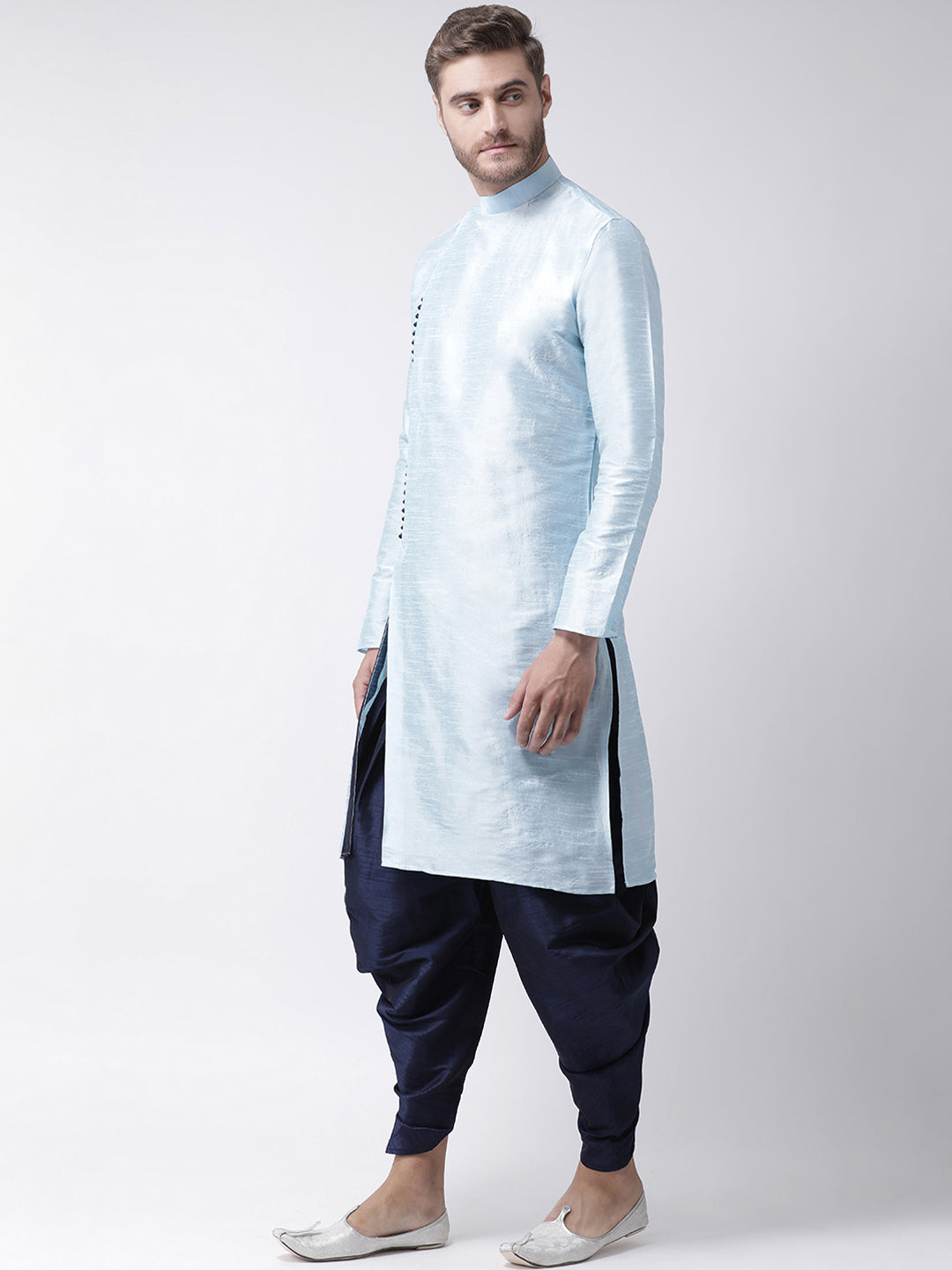


A dhoti pant is a stitched bottom that reproduces the look of a traditional draped dhoti. Fabric is pleated at the waist and falls in folds through the hip, sitting low between the legs before tapering in at the ankle. That low draped fold is the defining feature - it is what separates a dhoti pant from every other loose Indian bottom.
Because they are stitched rather than wrapped, dhoti pants pull on like trousers. You get the silhouette without the draping, which is why they have become one of the more practical ethnic bottoms to own.
Dhoti, Palazzo, Harem or Patiala?
Loose Indian bottoms get grouped together and the names are used interchangeably, but the shapes are genuinely different and they suit different tops.
|
Bottom |
Shape |
How it differs from a dhoti |
|
Dhoti pant |
Pleated at the waist, low draped crotch, tapered ankle |
- |
|
Wide straight leg, normal crotch, no taper |
No drape; falls straight from the hip |
|
|
Harem pant |
Full through the leg, gathered at the ankle |
Similar low crotch, but no front pleating |
|
Patiala salwar |
Heavily pleated, cuffed at the ankle |
Far more fabric, gathered into a cuff |
|
Fitted to the knee, then flares wide |
The opposite shape - narrow above, full below |
|
|
Dhoti skirt |
Draped front, open like a skirt |
Not divided between the legs |
The clearest distinction is between a dhoti and a palazzo. A palazzo falls straight from the hip in a wide column with a conventional crotch, so the leg line is vertical. A dhoti pant drapes - the fabric swags across the front and hangs low, then narrows at the ankle, producing a tapered rather than a straight outline. A harem pant sits closest to a dhoti but without the front pleating, and a patiala uses considerably more fabric gathered into an ankle cuff.
Styling: Top Length Is the Decision
This is the one thing worth getting right, and it is where most dhoti outfits go wrong.
The visible drape at the hip and front is the whole point of the garment. A long tunic that covers the hip hides exactly that, and the result reads as ordinary loose trousers rather than a dhoti. Cropped tops, waist-length tops and tucked-in shirts are the standard pairing precisely because they leave the drape visible.
If you prefer more coverage, a short kurta ending at or just above the hip is the compromise that still shows the fold. Longer kurtas work better with straight trousers or palazzos than with dhotis. Browse tops and tunics for shorter options, and kurtas and kurtis for the hip-length end of the range.
Fitted tops balance dhotis better than loose ones. The bottom already carries volume, so a loose top on top of it removes any definition. A fitted crop, a structured shirt or a close-cut kurti all work. Dhoti co-ord sets solve this by supplying a top cut for the bottom, which is the low-effort route.
Footwear needs a little thought because the hem is often tapered or slightly asymmetric. Flats and low block heels suit ankle-length dhotis. Higher heels work with fuller drapes and festive fabrics, but check the hem clears the floor - a draped hem catches more easily than a straight one. Keep jewellery simple: jhumkas or studs, since the outfit already has movement.
Waist, Rise and Length
Elastic waists are the most forgiving and the most common - they accommodate size changes and let the pleating sit naturally. Tie waists give adjustment and a flatter front, which suits tucked tops. Zip closures give the cleanest finish and are the least adjustable, so measure carefully if you choose one.
Rise matters more with dhotis than with straight bottoms. A mid or high rise holds the pleating at the natural waist, which is where the drape is designed to fall from. A low rise drops the whole fold and shortens the leg line, and with a cropped top it leaves more midriff exposed than intended.
Length runs from ankle to full, with draped styles falling longer at the sides. Ankle length is the practical everyday choice. Full and draped lengths read more formal and suit festive wear, but need checking against your height, since a dhoti cut for a taller frame will pool at the floor. Extended sizing is grouped in the plus size collection.
Fabric
Fabric changes the drape more than it changes the comfort. A structured fabric holds a crisp fold; a fluid one swags and moves.
|
Fabric |
How the drape behaves |
Best for |
|
Cotton and cotton flex |
Holds a crisp, structured fold |
Daily wear, office, warm weather |
|
Rayon and viscose |
Soft fall, drapes close to the body |
Year-round, travel |
|
Georgette |
Fluid, moves visibly when you walk |
Festive and evening wear |
|
Crepe |
Smooth with weight, clean fold lines |
Semi-formal and party wear |
|
Silk and silk blend |
Structured with sheen, holds shape |
Weddings, festive occasions |
|
Velvet |
Heavy, deep fold, warmest option |
Winter events, evening functions |
Cotton and cotton flex give a defined, architectural fold and are the practical choice for daily wear and heat. Rayon and viscose fall softer and closer to the body, which makes them the easier option if you find a structured drape too voluminous. Georgette and crepe move visibly as you walk, which reads well for evening but shows every crease. Silk and velvet hold their shape and belong at festive events.
Shop by Occasion
Daily and Office
Cotton and rayon dhotis in solid colours with a fitted top or tucked shirt read as smart casual in most workplaces. They are more forgiving than fitted trousers over a long day and cooler in summer. Solid colours are the more practical buy here, since they take printed tops without clashing. Browse the wider bottoms range for alternatives.
Festive and Weddings
Silk, georgette and velvet dhoti sets with embroidery or zari detailing work for family functions and wedding events, and are considerably easier to move in than a lehenga across a long day. Sets that include a dupatta complete the look without extra styling decisions.
Fusion and Everyday Contemporary
Dhoti pants are one of the easiest ethnic pieces to wear with a Western wardrobe - a plain dhoti with a fitted shirt or crop reads contemporary rather than traditional. Indo western pieces and tops extend the same idea.
Separates or Sets
Dhoti pants are sold both on their own and as sets with a matching kurta, and sometimes a dupatta. Separates give more range - one pair of plain dhotis works with several tops - while sets remove the pairing decision and guarantee the proportions work. If you are buying your first pair, a set is the safer start, since it demonstrates the top length the bottom is designed for. Kurta sets include dhoti-bottom options alongside straight pants and palazzos.
For dressing a family for the same occasion, girls dhoti sets and boys dhoti sets cover children, and men’s dhotis are listed separately.
Care
Cotton and rayon dhotis can be machine washed cold on a gentle cycle, inside out. Skip the dryer - heat shrinks rayon and viscose noticeably, and a shrunken dhoti loses the length the drape depends on. Dry in shade to protect printed colour.
Georgette, crepe, silk, velvet and anything embroidered or zari-worked should be dry cleaned. Press dhotis along the existing pleat lines rather than flattening them, since the folds are constructed rather than incidental - pressing them out changes how the garment hangs. Hang rather than fold where possible, for the same reason.
FAQs: Dhoti Pants for Women
What is a dhoti pant?
A stitched bottom that reproduces the look of a traditional draped dhoti. The fabric is pleated at the waist and falls in folds through the hip, sitting low between the legs before tapering at the ankle. Unlike a true dhoti it is pre-stitched, so it pulls on like trousers with no draping required.
What is the difference between dhoti pants and palazzos?
A palazzo falls straight from the hip in a wide column with a conventional crotch, giving a vertical leg line. A dhoti pant drapes across the front, hangs low between the legs and narrows at the ankle, giving a tapered outline. They suit different top lengths as a result.
What top goes with dhoti pants?
Cropped, waist-length or tucked-in tops, and short kurtas ending at or just above the hip. The visible drape is the point of the garment, and a long tunic covering the hip hides it - the outfit then reads as ordinary loose trousers. Fitted tops balance the volume better than loose ones.
Are dhoti pants comfortable for all day?
Yes, and they are generally more forgiving than fitted trousers because nothing binds at the hip or thigh. Cotton and rayon are the most comfortable for long wear. The one practical note is that on low seating the draped fabric pools, so check the hem when sitting.
How do I choose the right size?
Waist is the binding measurement, and elastic waists give the most tolerance. Check the rise as well - a mid or high rise holds the pleating at the natural waist, which is where the drape is designed to fall from. Also check the length against your height, since a longer cut will pool at the floor.
Can I wear dhoti pants to a wedding?
Yes. Silk, georgette or velvet dhoti sets with embroidery or zari work are appropriate for most functions, and are easier to move in over a long day than a lehenga. Keep the heavier fabrics and detailing for the main ceremonies and lighter cotton or rayon for daytime events.
Are dhoti pants suitable for the office?
In most workplaces, yes - a solid cotton or rayon dhoti with a fitted shirt or tucked top reads as smart casual. Avoid heavily embroidered or zari-worked pairs for work, and stay with mid or high rise so the proportions stay conventional.
How do I wash dhoti pants?
Cotton and rayon can be machine washed cold, inside out, and dried in shade. Avoid the dryer, since heat shrinks rayon and a shorter dhoti loses the drape. Silk, velvet, georgette and embroidered pieces should be dry cleaned. Press along the existing pleat lines rather than flattening them.
Do dhoti pants come as a set?
Both. They are sold as separates and as sets with a matching kurta, sometimes including a dupatta. Sets are the easier starting point because they demonstrate the top length the bottom is cut for. New arrivals appear in new arrivals, and pieces in the express range dispatch fastest for US orders.